Laws in Kazakhstan are becoming tools of persecution
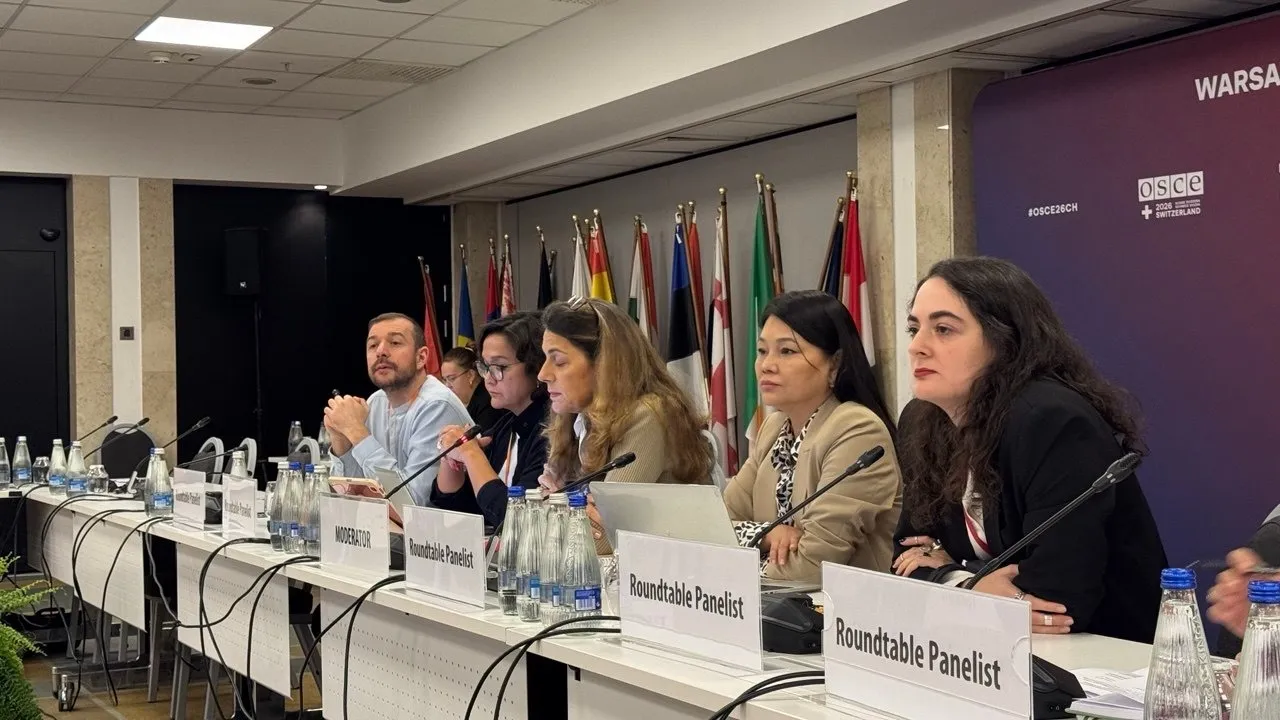
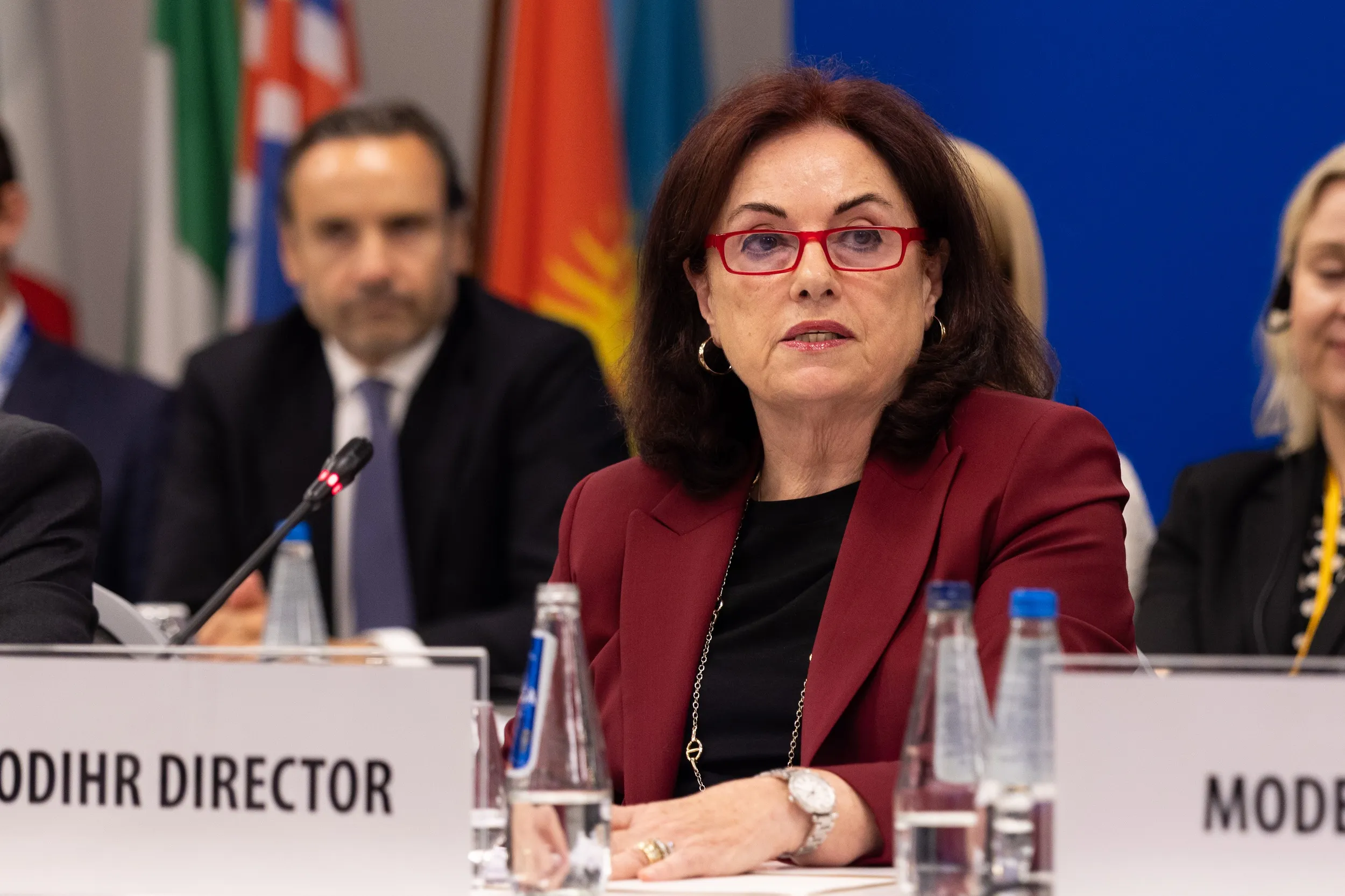
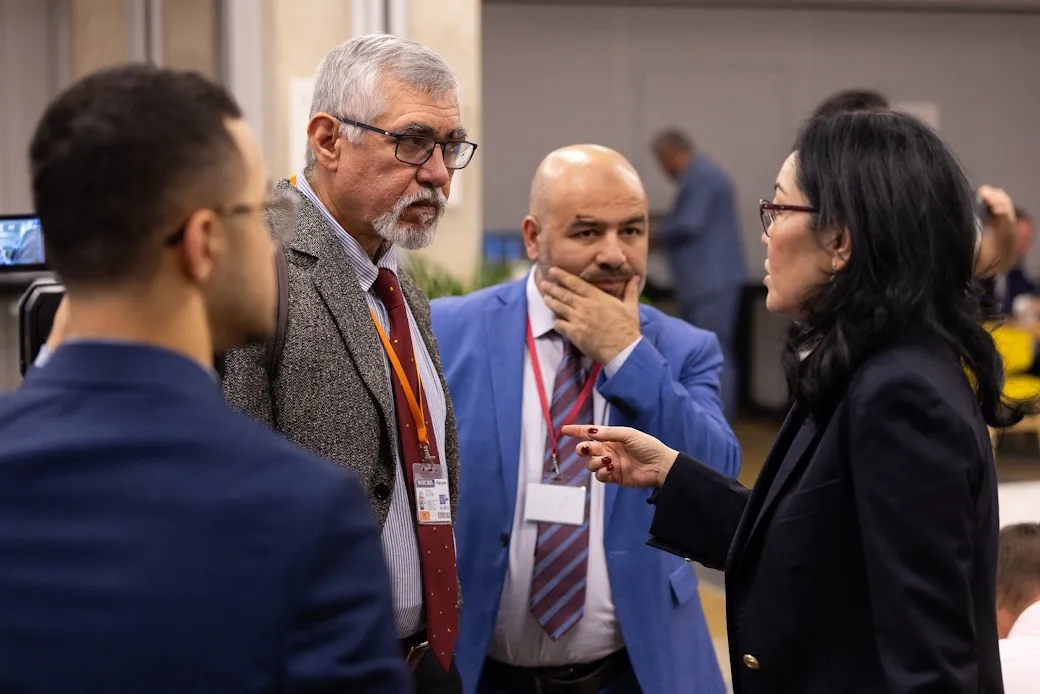
On 13 October, Nazira Darimbet, President of the International Foundation for Protection of Freedom of Speech “Adil Soz”, spoke at the OSCE conference in Warsaw about the criminal prosecution of journalists in Kazakhstan.
In her view, legislation aimed at countering disinformation must not become a tool for exerting pressure on independent media or restricting society’s right to receive information.
Darimbet spoke at the OSCE Warsaw Human Dimension Conference during the round table “Media Freedom as a Cornerstone of Information Integrity and Public Trust”, organised with the participation of the Office of the OSCE Representative on Freedom of the Media.
Participants discussed how independent journalism helps societies resist disinformation and what measures are needed to ensure that efforts to combat false information do not restrict freedom of expression.
“In Kazakhstan, the fight against disinformation has turned into persecution of independent journalists and media outlets, with the law in practice shifting from a tool designed to protect society from false information into a serious means of exerting pressure on independent and investigative journalism,” Nazira Darimbet said.
As examples, she cited the court rulings involving KazTAG, the case of journalist Botagoz Omarova, as well as the cases of Gulnar Bazhkenova, Alexandra Alyokhova and Azamat Omarov.
Darimbet also drew particular attention to the practice of imposing additional penalties on journalists in the form of bans on professional activity. The Foundation’s president stressed the need to decriminalise Article 274 of the Criminal Code of the Republic of Kazakhstan and to move disputes concerning information into the sphere of civil law.
“The best protection against disinformation is not new restrictions or censorship, but strong, protected and independent journalism. When citizens trust free media, manipulation loses its power,” the President of Adil Soz stressed.
Representatives of the media communities of Georgia, Serbia and Uzbekistan also took part in the round table.
The human rights situation in Kazakhstan was discussed at other events held as part of the conference. On 9 October, Kazakhstani human rights organisations held a discussion titled “Human Rights in Kazakhstan Today: Between Reforms and New Restrictions.” Topics included freedom of expression, media independence, the digital environment and the work of civil society.
On the same day, Freedom for Eurasia held a discussion on the persecution of Kazakhstan’s critics abroad. Among the speakers were Natalia Sadykova, a Kazakhstani journalist living in exile, co-founder of BASE media and widow of journalist Aidos Sadykov, and Irina Petrushova, founder and editor-in-chief of Respublika media. They discussed the assassination of Aidos Sadykov in Kyiv in 2024, the continuing lack of accountability for his killing, and the pressure that Natalia Sadykova says has continued after her husband’s death. The discussion also addressed a defamation lawsuit filed against Sadykova in Ukraine over her journalistic reporting, which Freedom for Eurasia has described as having the characteristics of a SLAPP.
The annual OSCE Warsaw Human Dimension Conference is being held from 5 to 15 October 2026. Participants from OSCE participating States, international organisations and civil society are discussing the implementation of commitments relating to human rights, the rule of law, democratic institutions and fundamental freedoms.