UN Calls for Release of Kazakhstani Journalist Duman Mukhammedkarim
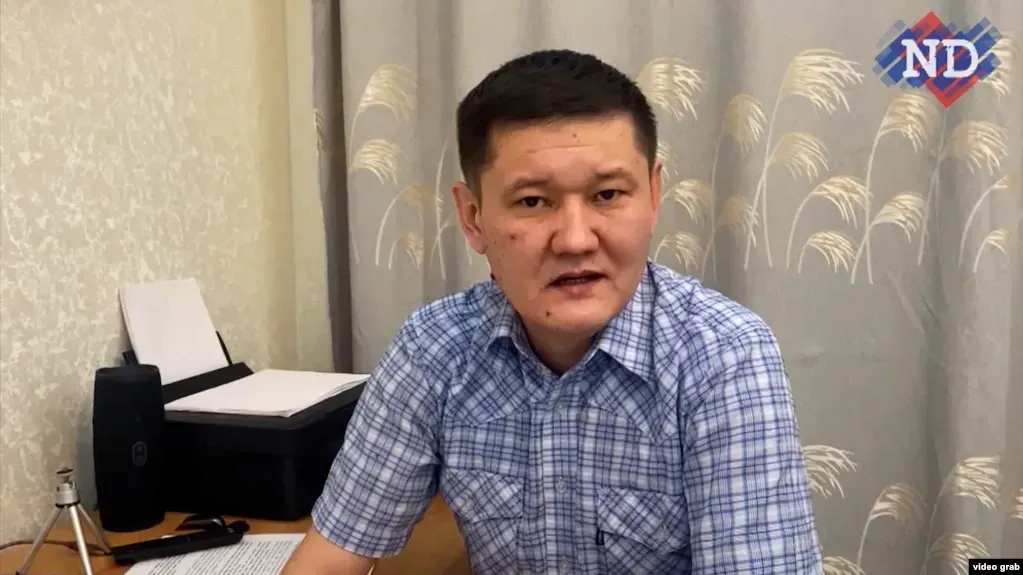
The UN Working Group on Arbitrary Detention has found that the imprisonment of Kazakhstani journalist Duman Mukhammedkarim violates international human rights standards. The experts concluded that he was prosecuted for exercising his right to freedom of expression and that his trial was marred by serious procedural violations.
The findings were reported by the Kazakhstan International Bureau for Human Rights and Rule of Law, citing the UN Working Group’s Opinion No. 18/2026.
Duman Mukhammedkarim is the creator of the Ne Deidi YouTube channel, known for its coverage of political and social issues and criticism of the authorities. In August 2024, he was sentenced to seven years in prison on charges of financing extremist activities and participating in a banned organization.
The prosecution was based in part on an interview with exiled opposition politician Mukhtar Ablyazov, founder of the Democratic Choice of Kazakhstan (DVK) movement, which has been designated an extremist organization in Kazakhstan. During the broadcast, the participants discussed fundraising for Ablyazov’s legal defence. Investigators interpreted the journalist’s actions as being linked to the financing of extremism.
Why Did the UN Find His Detention Arbitrary?
According to the Bureau’s analysis of the UN opinion, the Working Group identified violations falling under four categories.
First, the experts questioned the legal basis for Mukhammedkarim’s detention. The court ruling designating DVK as an extremist organization had not been made public, while the application of the concept of participation in a banned organization to the journalist’s actions lacked sufficient legal clarity.
Second, the Working Group concluded that Mukhammedkarim had been prosecuted for exercising his rights to freedom of expression and participation in public and political life. Interviewing an opposition politician and discussing peaceful political change are activities protected under the International Covenant on Civil and Political Rights.
Third, the experts identified serious violations of his right to a fair trial. Court hearings were held behind closed doors, the defence was not provided with the ruling banning DVK, and the court relied heavily on expert assessments that applied definitions of extremism not established in law.
The court also failed to take into account testimony from 18 witnesses supporting the defendant. The impartiality of the proceedings was also called into question.
The fourth ground concerned discrimination based on political or other opinions.
Conditions of Detention Raise Serious Concerns
The experts expressed particular concern about the conditions in which Mukhammedkarim has been held.
The UN opinion describes prolonged isolation, poor ventilation in his cell, constant lighting, and restrictions on outdoor exercise. The Working Group also highlighted the use of disciplinary measures that, in its assessment, may have served as a means of exerting pressure on the journalist.
According to human rights defenders, by September 2026, Mukhammedkarim had spent more than 600 days in solitary confinement. Reports have also raised concerns about his deteriorating health and incidents of self-harm. His lawyer has insisted that he undergo a medical examination.
UN Calls for Immediate Release and Compensation
The UN Working Group called for Duman Mukhammedkarim’s immediate release, along with compensation and other forms of reparation. It also recommended an independent investigation into the circumstances surrounding his prosecution.
The government of Kazakhstan and the complainants were asked to provide information within six months on the implementation of the recommendations, including whether the journalist had been released and what measures had been taken.
However, according to the Kazakhstan International Bureau for Human Rights and Rule of Law, as of November 17, 2026, Mukhammedkarim remained imprisoned in a penal colony in Kyzylorda. No information was available indicating that Kazakhstan had implemented the Working Group’s recommendations.
The UN Working Group on Arbitrary Detention had previously also found the imprisonment of opposition activist Marat Zhylanbayev to be arbitrary and called for his release.
The full text of UN Working Group Opinion No. 18/2026 is available on the website of the Office of the United Nations High Commissioner for Human Rights.