Kazakhstan’s Foreign Ministry expands grounds for denying accreditation to foreign media
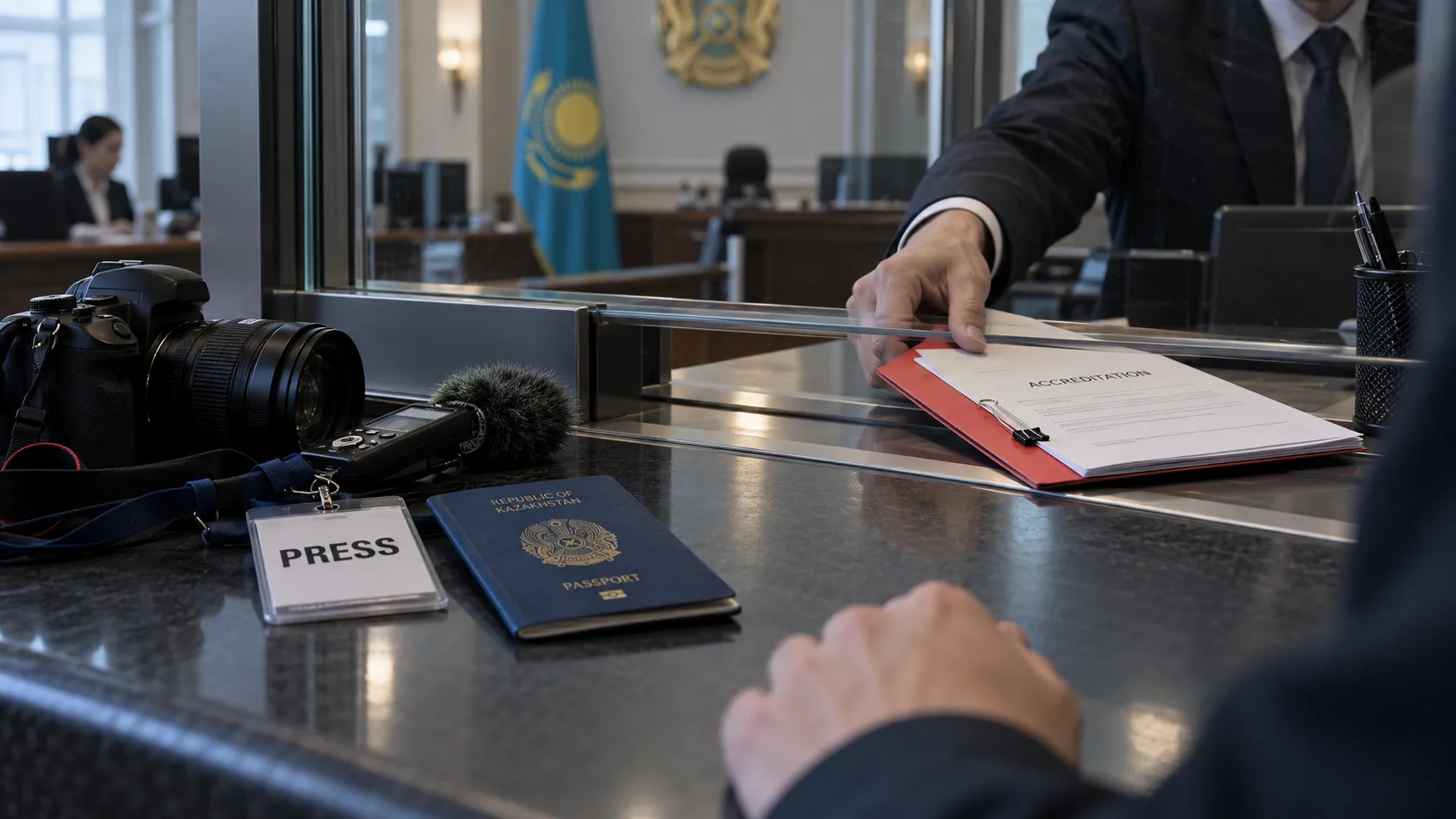
Kazakhstan has amended its rules for the accreditation of foreign media outlets and journalists. The Ministry of Foreign Affairs will now be able to deny, suspend or revoke accreditation on the grounds of “national security interests”. The new rules do not define specific criteria for applying this provision, Exclusive.kz reports.
The amendments were approved by Order No. 11-1-4/573 of Minister of Foreign Affairs Mukhtar Tileuberdi dated 15 October 2026. The document was registered with the Ministry of Justice on 19 October and officially published on 22 October. The new rules will enter into force on 2 November.
Under the order, “national security interests” have been added to the list of grounds for denying or revoking accreditation of foreign media representative offices. For journalists working for foreign media outlets, the same ground may also be used to deny, suspend or revoke accreditation.
At the same time, the document does not specify what circumstances may be regarded as a threat to national security when accreditation decisions are made.
Other conditions governing the work of foreign media have also changed. The accreditation period for their representative offices has been reduced from five years to two. In addition, mandatory annual reporting to the Ministry of Foreign Affairs is being introduced.
By 30 January each year, representative offices must submit information about their activities during the previous year. The report must indicate the number of materials produced, their formats, the main topics covered, and include copies of the most important publications or recordings of television and radio reports.
Another change concerns reapplying for accreditation. If a foreign media representative office or journalist is denied accreditation or has it revoked, they will be able to reapply only after one year. Submitting an application before that period expires will itself constitute grounds for a new refusal.
For journalists with permanent accreditation, restrictions have also been introduced in cases where they have no publications confirming their professional activities in Kazakhstan for a period of six months. This may serve as grounds for suspending or revoking accreditation and, under certain conditions, for refusing to grant it.
The rules have also removed a previous provision requiring the authorities to state the reasons for refusing accreditation to a foreign media representative office. The obligation to notify the applicant of the decision in writing remains in place.
The International Foundation for Protection of Freedom of Speech “Adil Soz” notes that expanding the grounds for restricting accreditation without clearly defined criteria creates a risk of arbitrary decision-making.
Of particular concern is the possibility of denying or revoking accreditation on the grounds of national security interests without specifying the circumstances that may lead to such consequences.
The Foundation stresses that any restrictions on the work of the media must be legally justified, necessary and proportionate, while decisions by state authorities must be transparent and subject to effective appeal.