
Fake calls impersonating journalists and media outlets: What to do
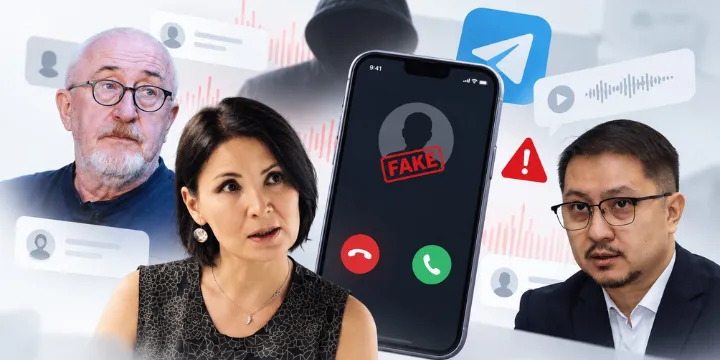
Journalists in Kazakhstan have begun receiving Telegram calls from accounts impersonating well-known journalists and media outlets. Names being used include “KazTAG Editorial Team”, Dinara Yegeubayeva, Vadim Boreiko, Amir Kassenov and others.
When the call is answered, a pre-recorded audio message is played. The content varies: requests for financial assistance, appeals to transfer money or cryptocurrency, or invitations to supposedly closed communities under the pretext of gaining access to “private” content.
For example, a fake recording made in Vadim Boreiko’s name asks recipients to support him by transferring money via Kaspi or in cryptocurrency. The journalist himself, of course, has nothing to do with these calls.
A cybersecurity specialist describes the scheme as targeted phishing. According to the expert, the main thing is not to panic, not to enter into any financial transactions with the caller, and to verify whether the person calling is actually the individual whose name appears on the account.
What to do if you receive such a call
1. Do not transfer money or share personal information. Do not follow links or disclose bank card details, passwords or verification codes.
2. Verify the caller’s identity through another communication channel. If the call comes through Telegram, contact the journalist or media outlet using a phone number you already know, another messenger, or an official account.
3. Record the account details, including the username, for example @BotFather. Usernames can be changed, while an account ID remains unchanged. Also take screenshots of any information relating to bank cards or cryptocurrency wallets.
4. Record the content of the call. Sergei Utkin, a lawyer with the International Foundation for Protection of Freedom of Speech “Adil Soz”, recommends putting the phone on speaker and recording the conversation as audio or video using another device.
5. Report the account to Telegram. The messenger allows users to submit complaints about fraud or impersonation.
6. Contact the police. A complaint or report can be submitted through eOtinish or by calling 102. Provide the police with the account details and all available evidence.
According to the lawyer, the legal classification of such actions depends on their content and purpose. If the perpetrators are attempting to obtain money, their actions may contain elements of fraud. If the conduct is aimed at systematically harassing a person, other offences may also be considered, including those related to stalking.
Adil Soz recommends that journalists and media outlets warn colleagues and audiences about such incidents, preserve all digital evidence, and not limit themselves to simply blocking the fake account. The more information that is documented — call recordings, screenshots, usernames and payment details — the greater the chances of identifying those behind such actions.