17th Central Asian Internet Forum InternetCA-2026 Held in Almaty
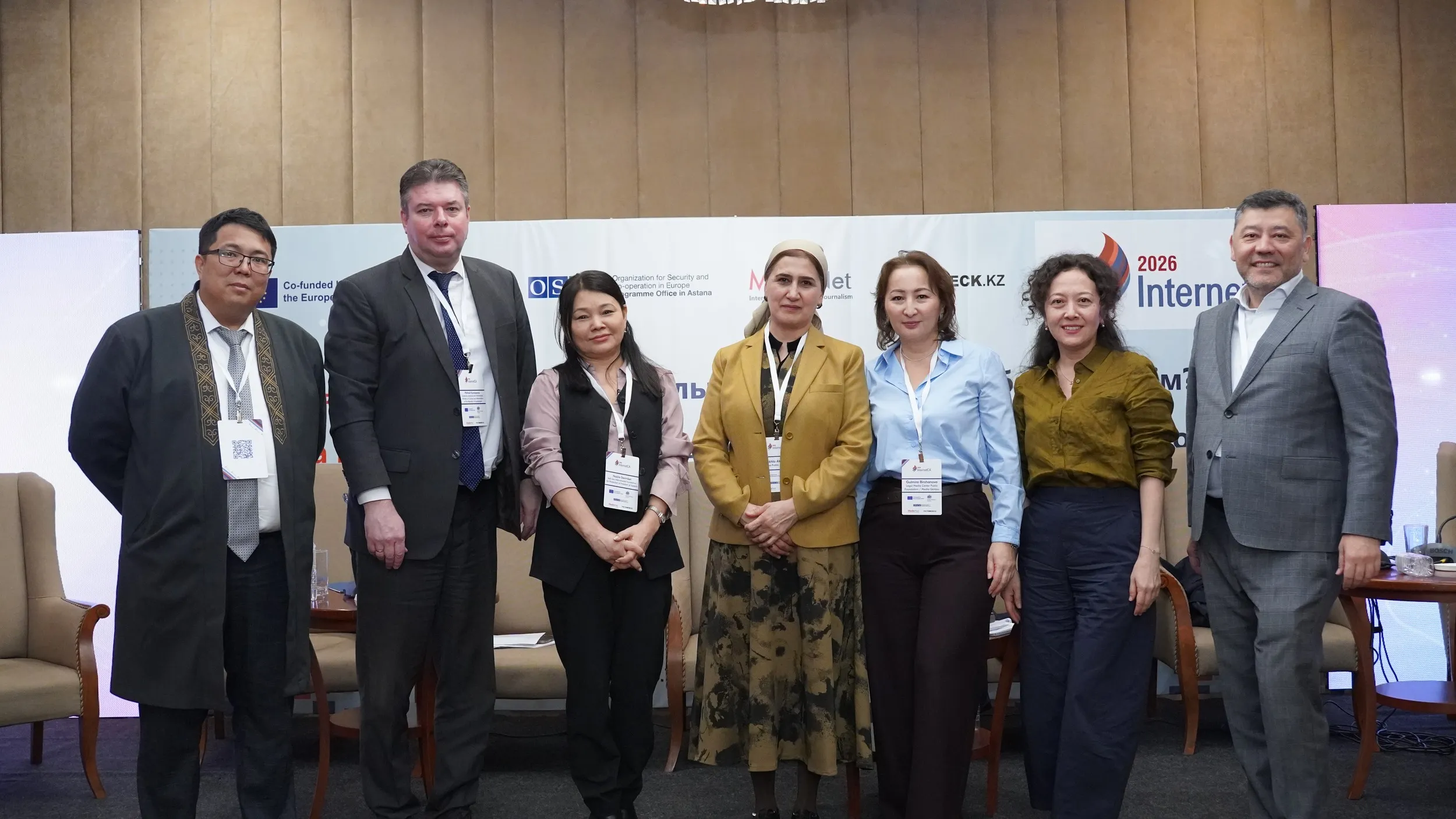
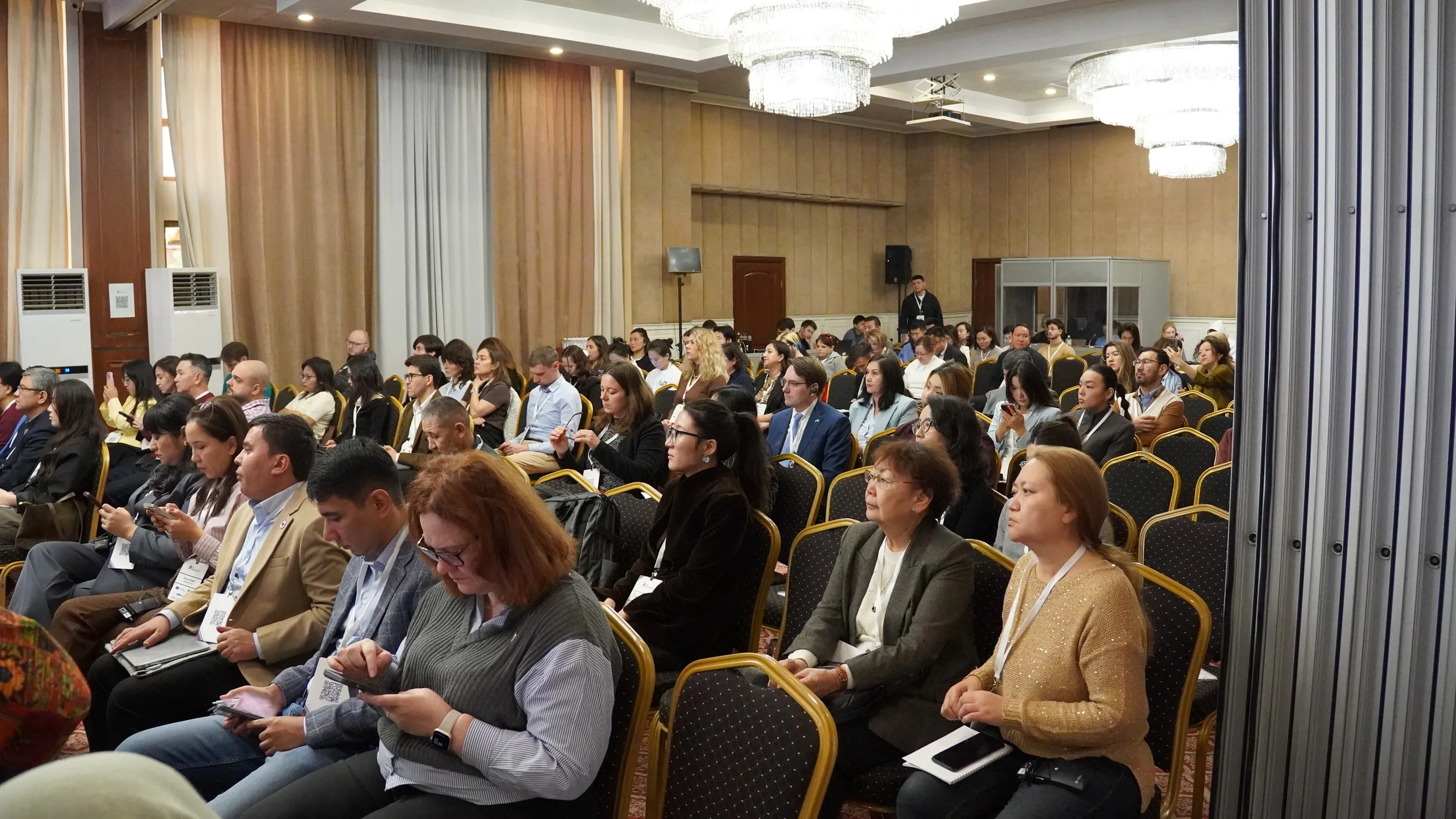
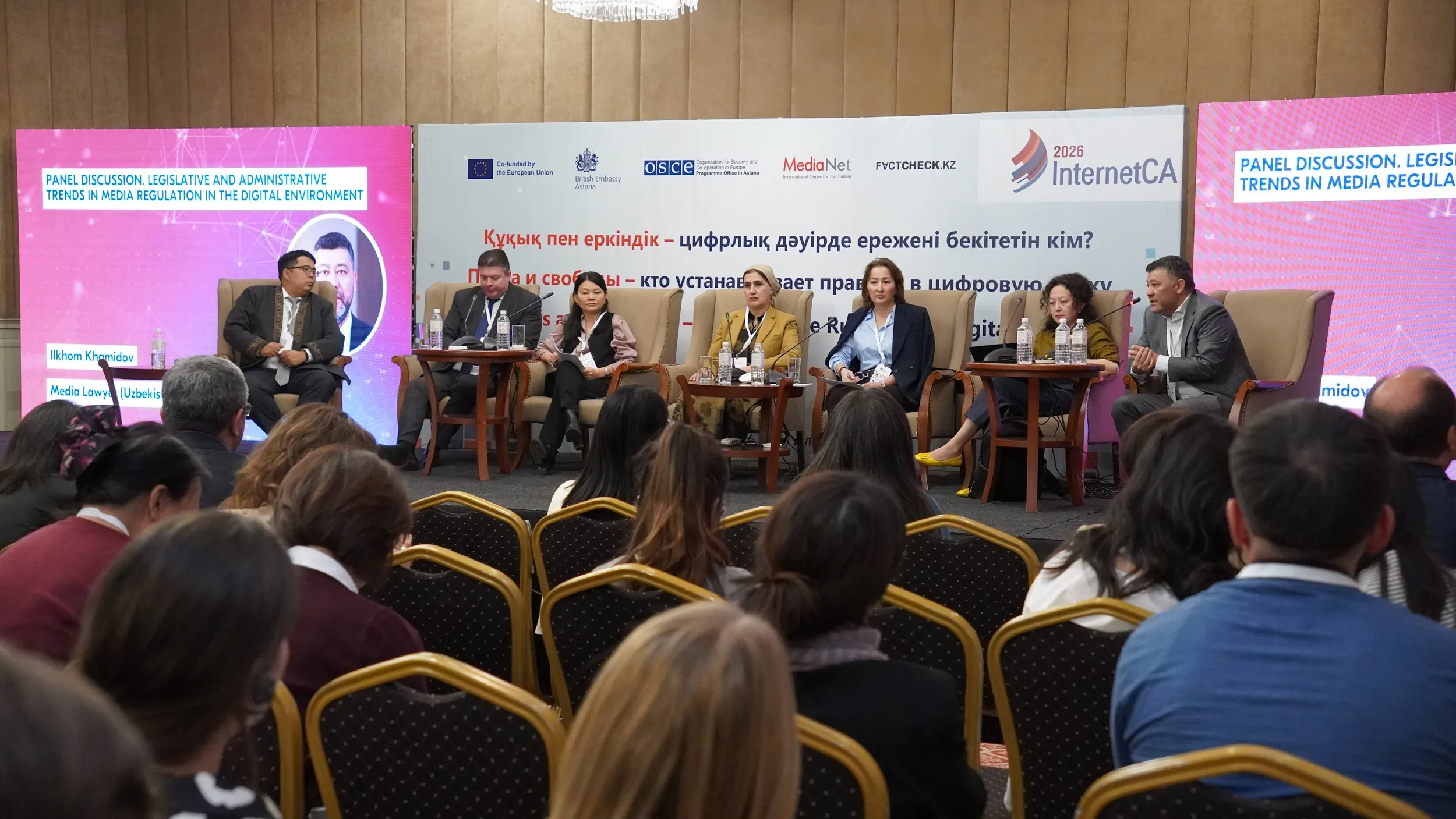
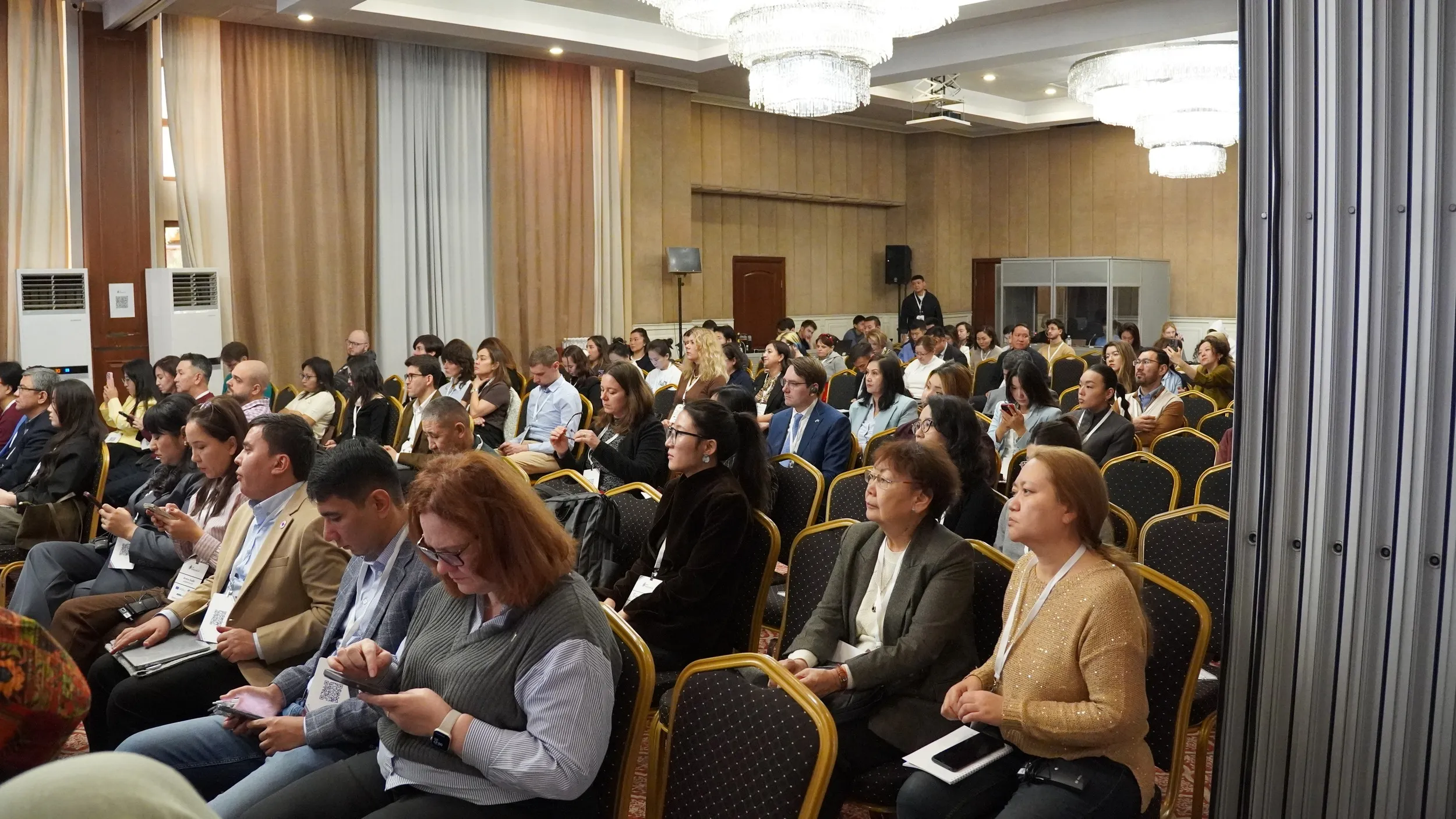
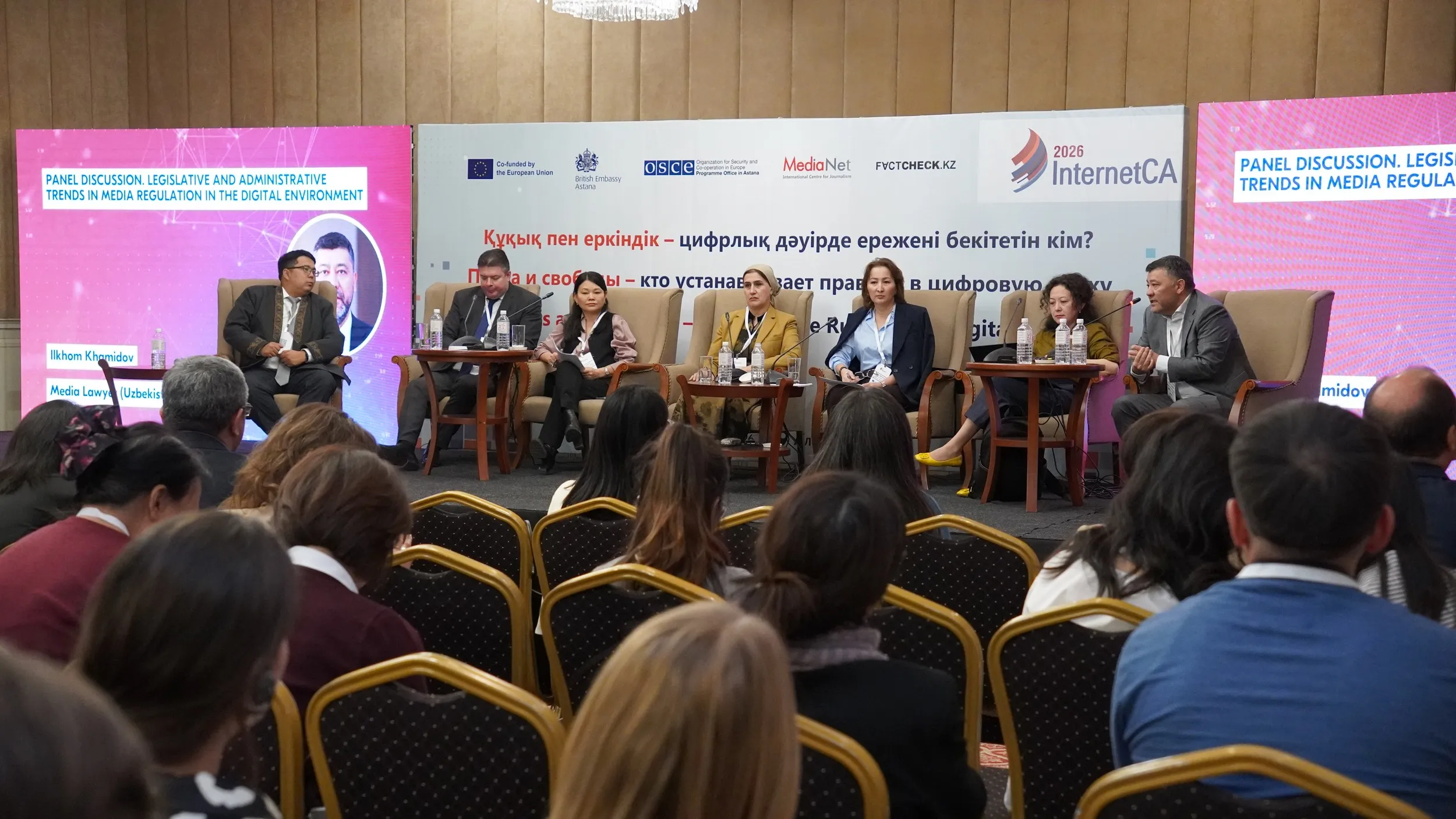
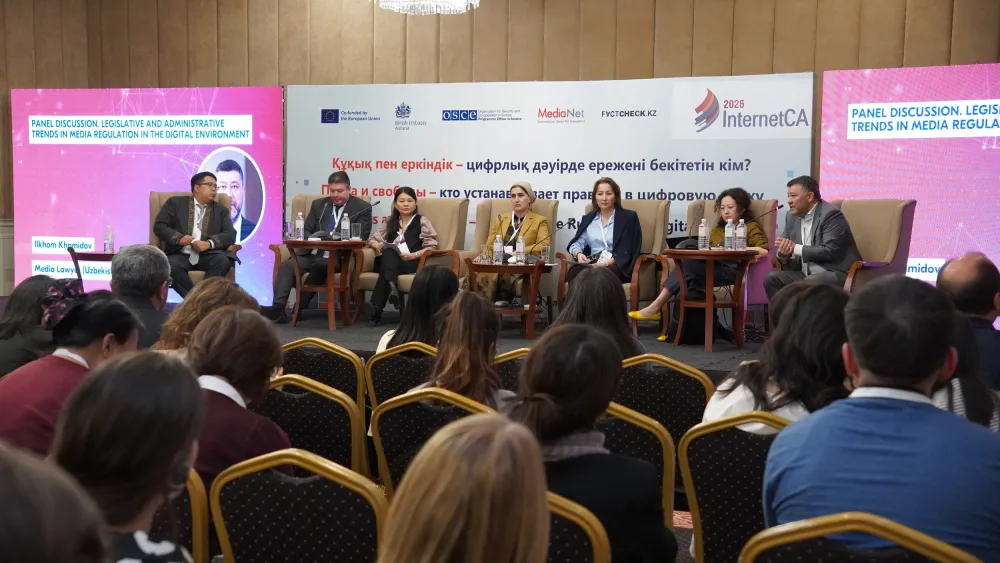
XVІI Central Asian Forum «Development of the Internet Sphere in Central Asia – InternetCA-2026» took place in Almaty. The event was organized by the International Center for Journalism MediaNet.
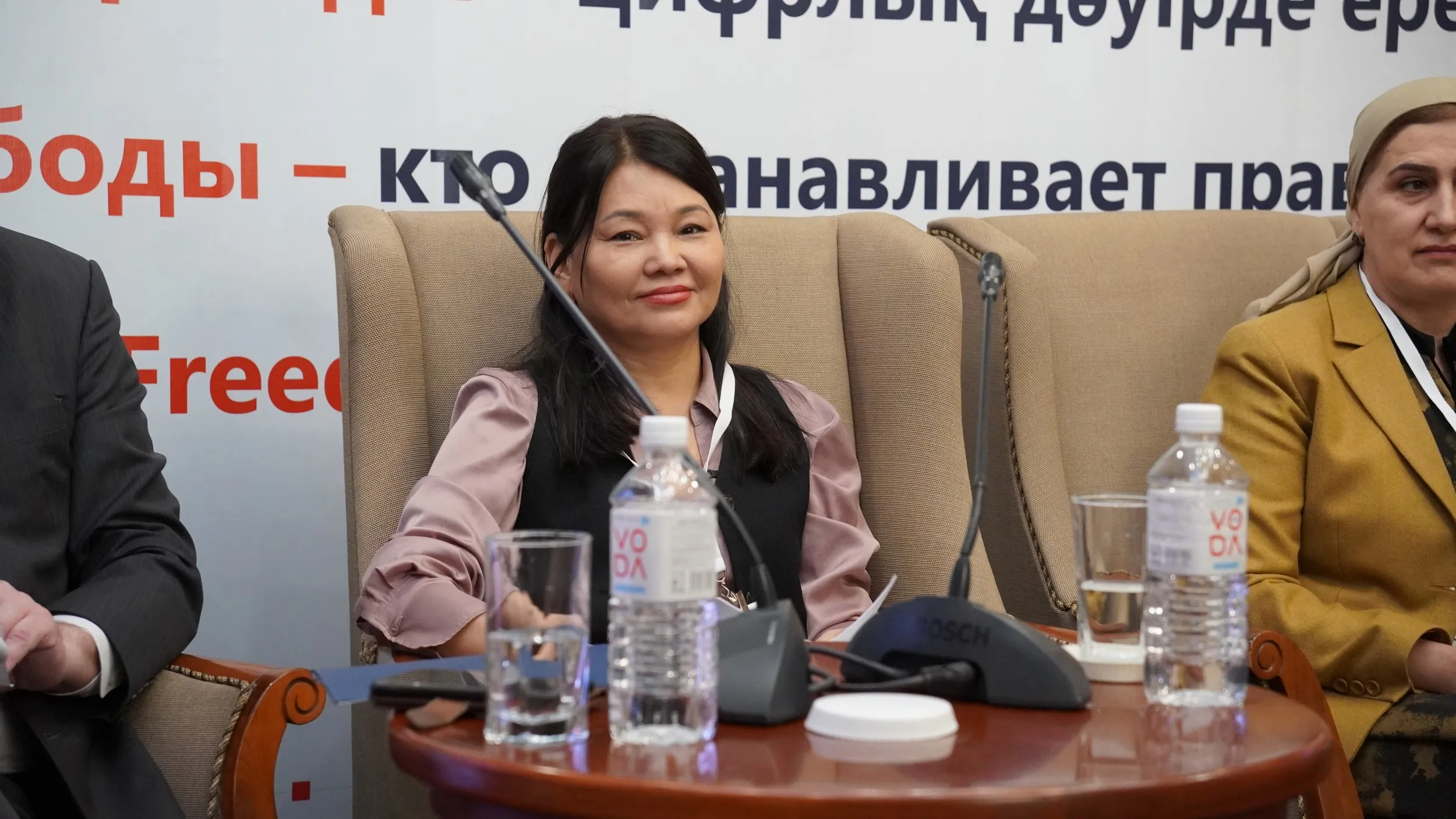
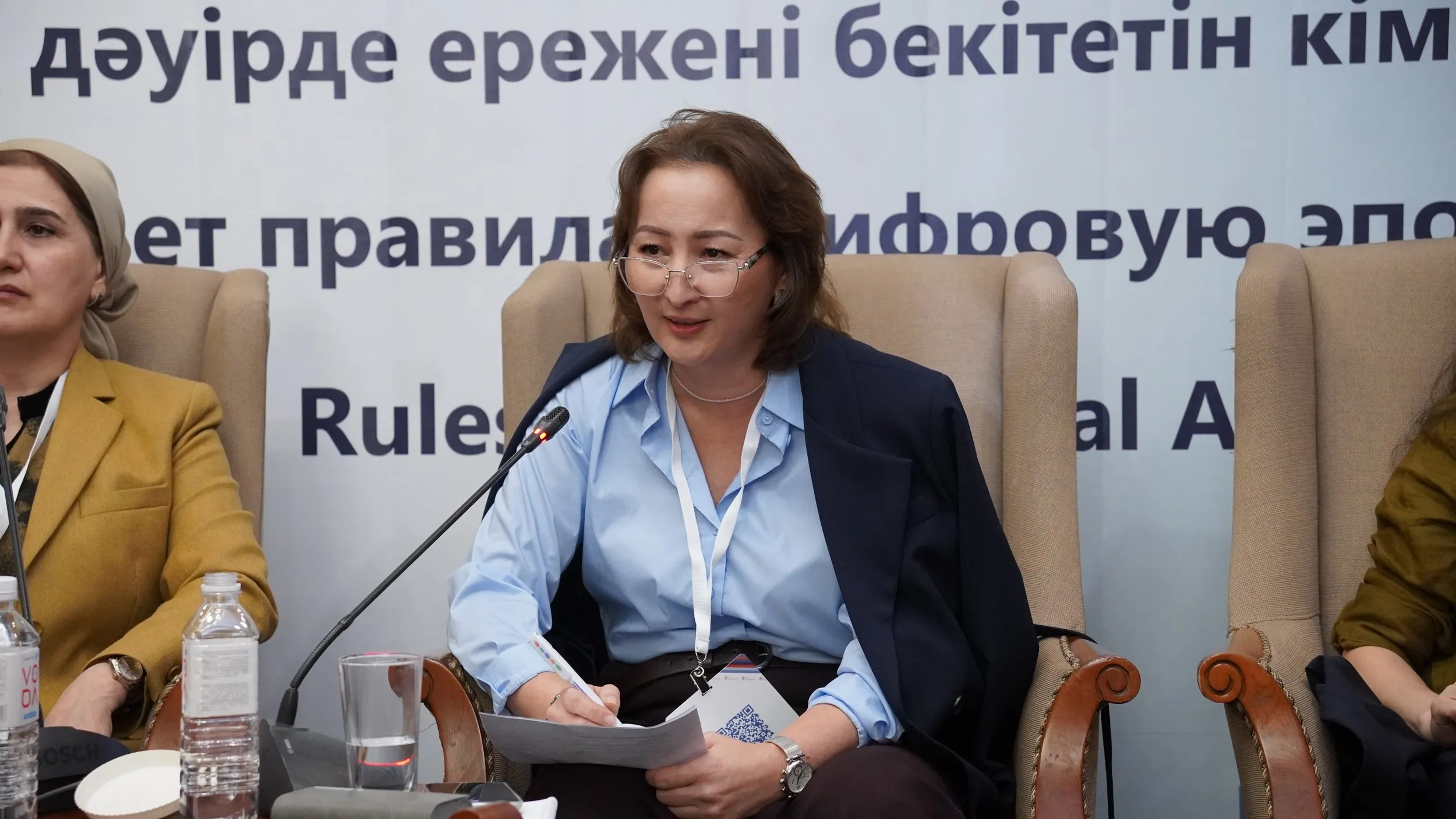
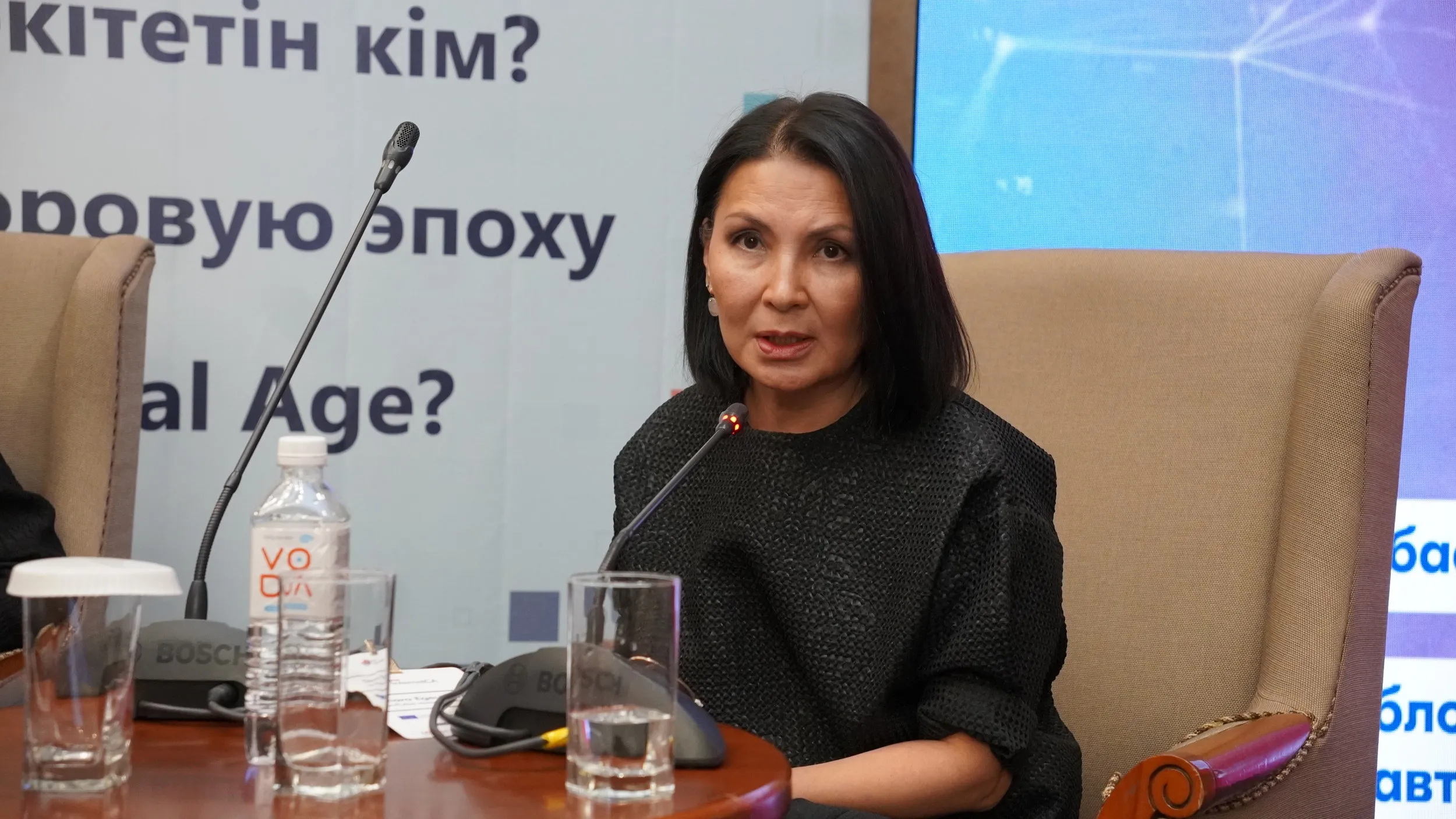
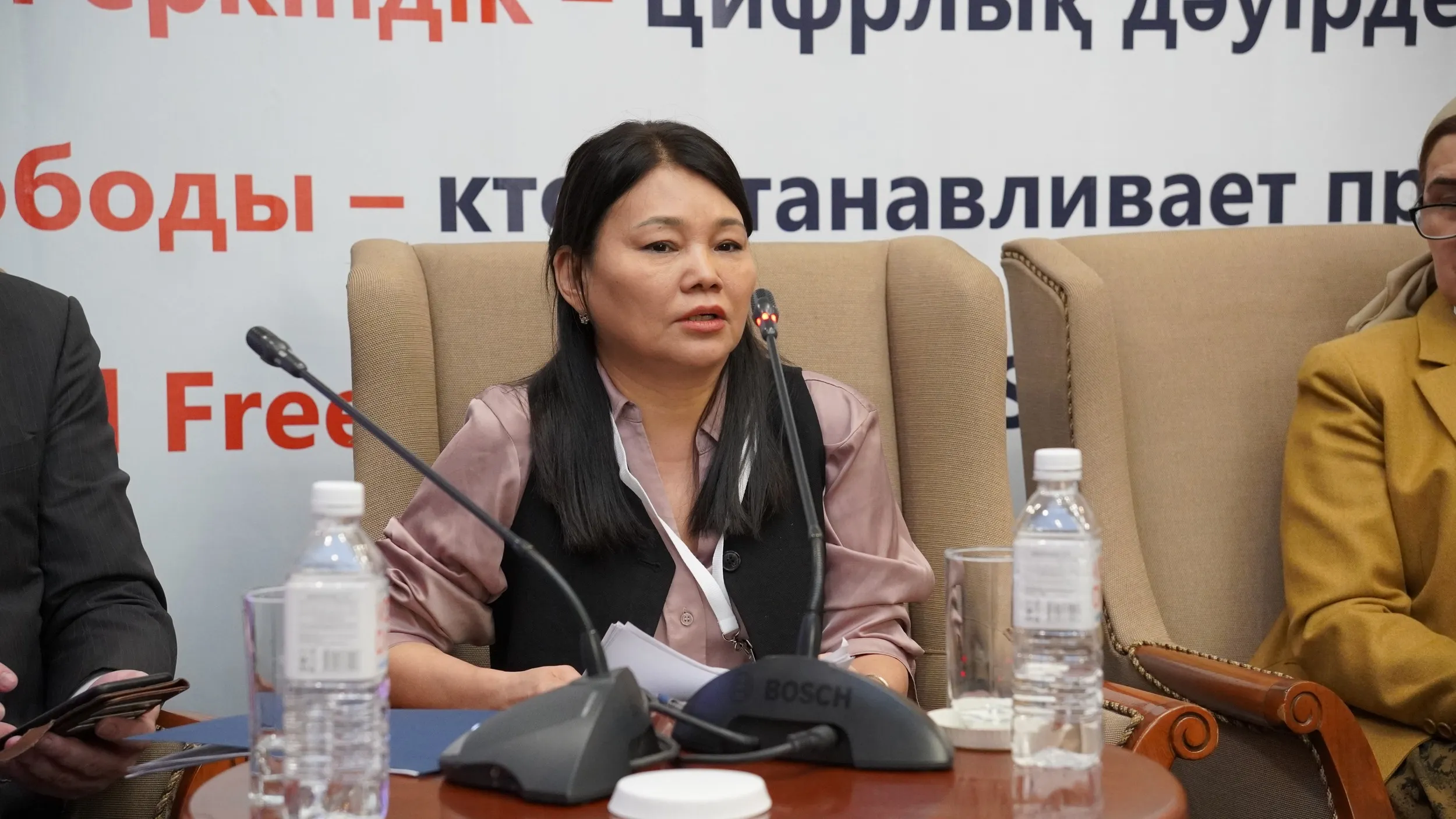
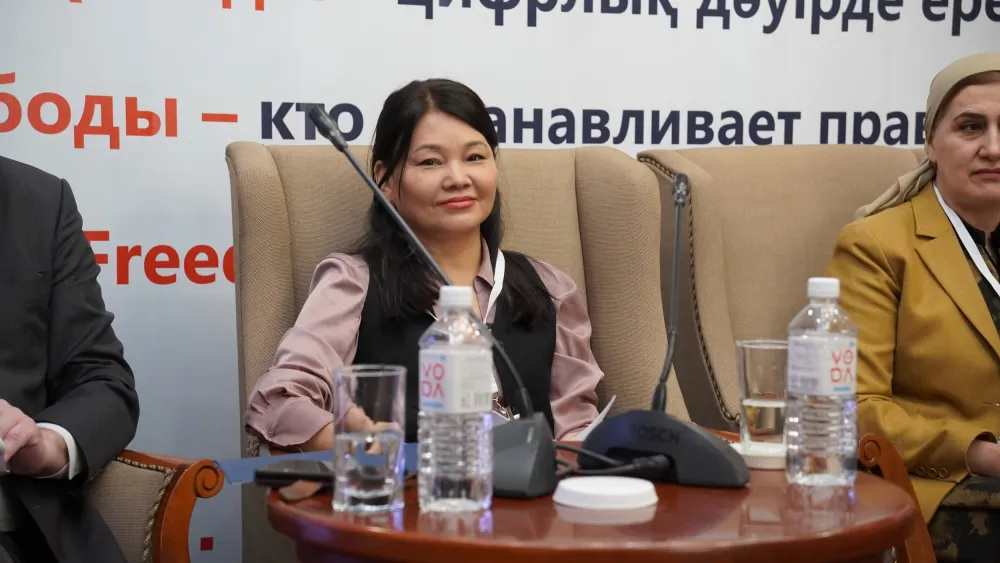
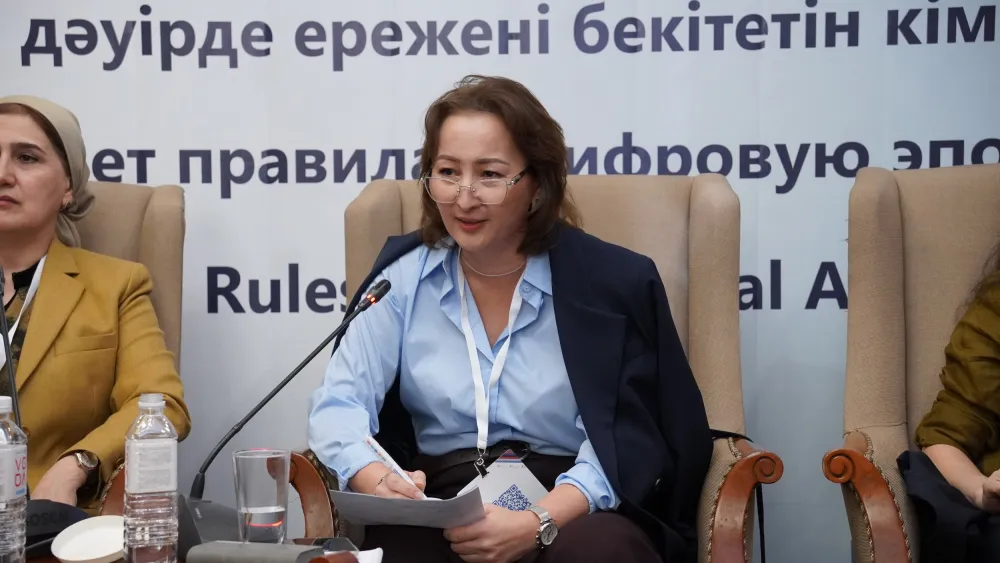
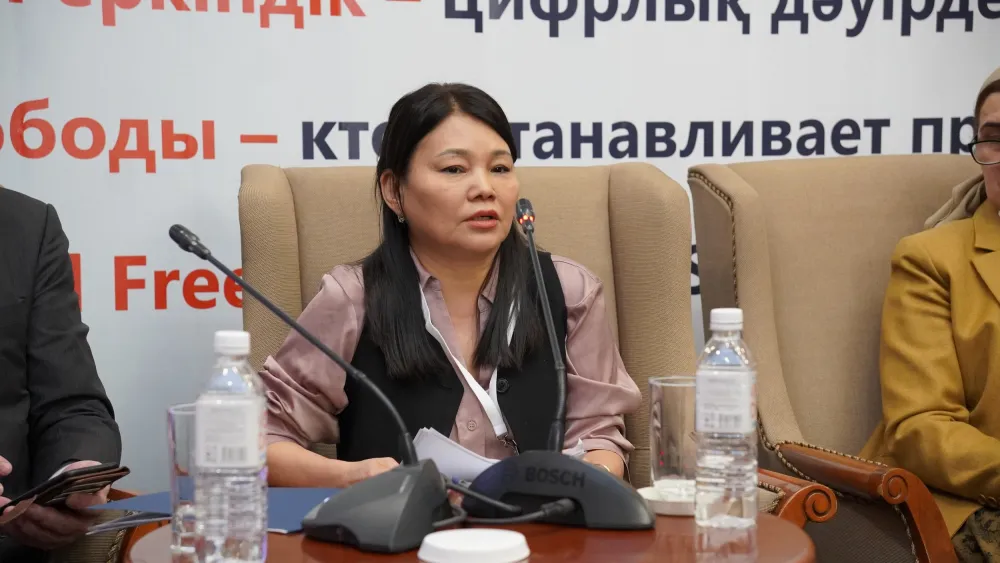
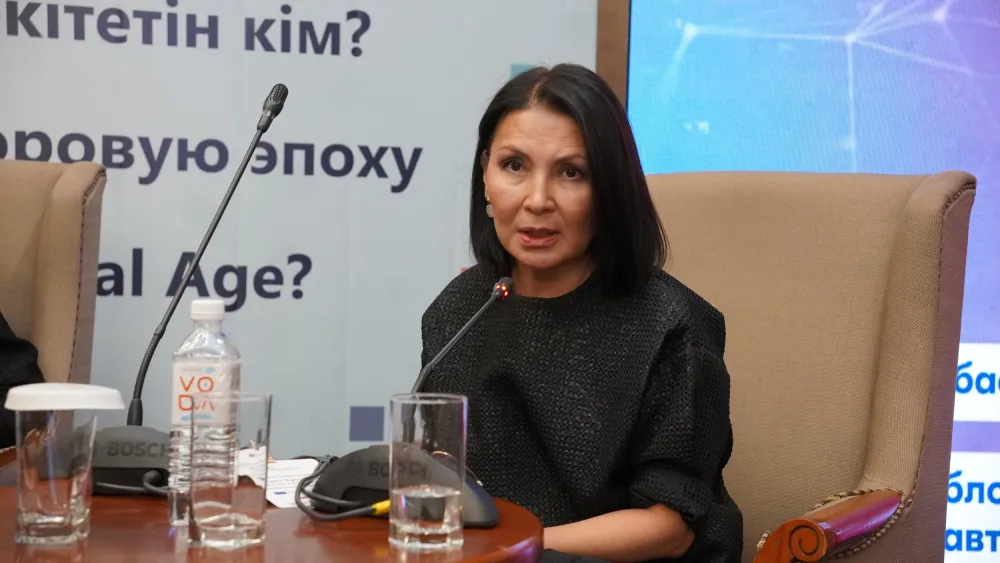
Nazira Darimbet, President of the Adil Soz Foundation, participated in the conference and highlighted the growing number of violations involving access to information, legal proceedings over public statements, and the blocking of journalists’ social media accounts.
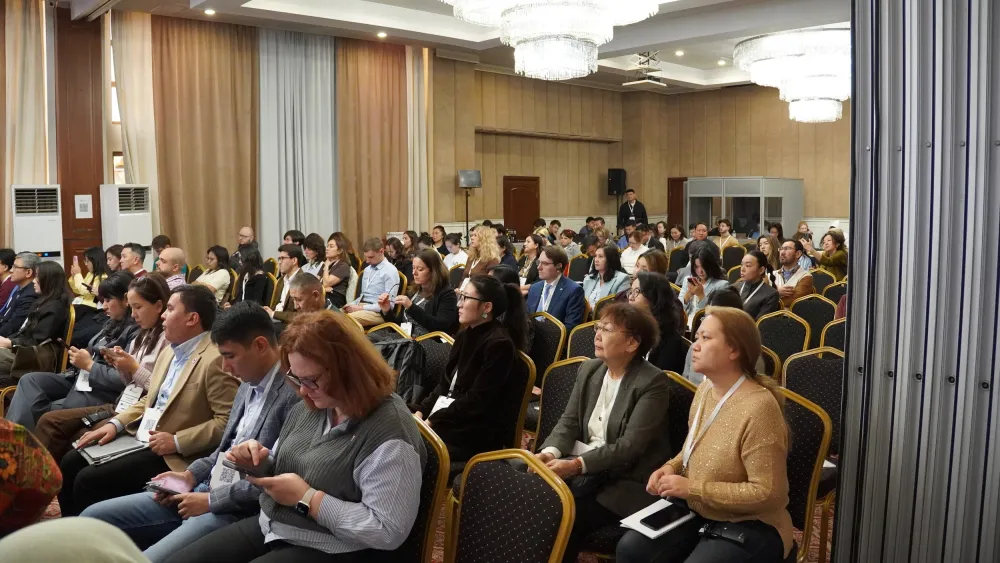
The forum brought together government officials, representatives of international organizations, journalists, and digital rights experts from across Central Asia. Discussions focused on internet regulation, new requirements for online platforms, restrictions affecting the media, digital violence, and emerging threats associated with artificial intelligence.
Violations Are on the Rise
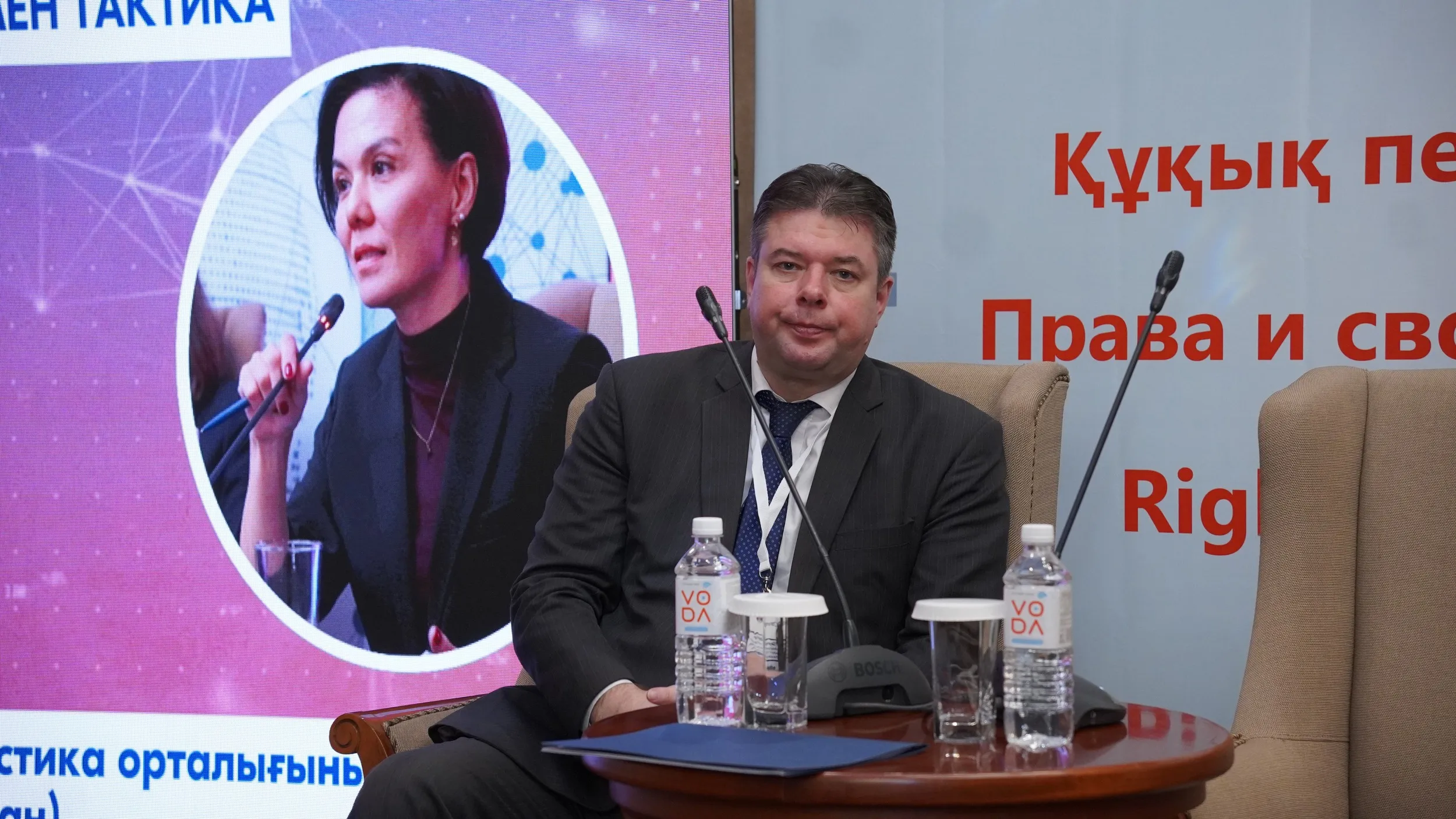
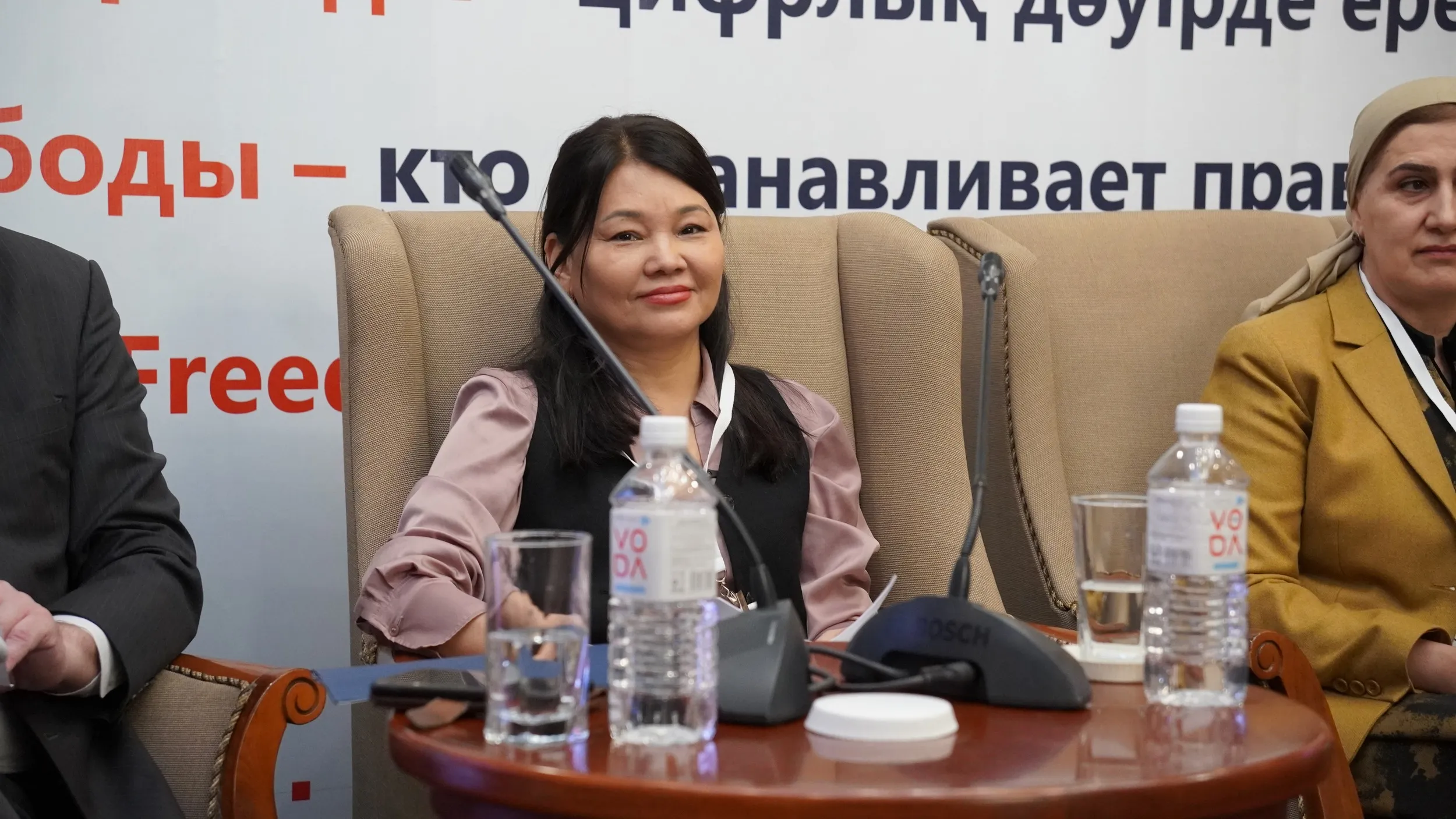
Speaking during a panel discussion on legislative and administrative trends in media regulation, Adil Soz President Nazira Darimbet drew attention to new restrictions affecting journalists’ professional activities.
“We are seeing the emergence of institutional barriers through accreditation requirements and internal regulations,” she said.
According to Darimbet, additional restrictions are being introduced not only through legislation but also through secondary regulations and the internal rules of government institutions.
Statistics presented by the foundation show a significant increase in violations compared with the corresponding period in 2024:
- 57 cases involving violations of the right to access and disseminate information, compared with 37 in 2024 — an increase of nearly 54%.
- 24 judicial and pre-trial proceedings related to public statements, compared with 13 in 2024.
- 13 cases involving the blocking of online resources and accounts or restrictions on access to content, compared with just one case in 2024 — a thirteenfold increase.
In addition, since July 2026, the foundation has separately documented 40 incidents involving attacks on the accounts of journalists, media outlets, and media lawyers.
Another 25 cases recorded in September and October involved refusals to provide information or failures to meet statutory deadlines for responding to journalists’ requests.
Darimbet also highlighted problems with journalists’ accreditation, warnings issued to newsrooms for asking questions outside the official agenda of government events, and court rulings restricting journalists’ right to continue working in their profession.
Who Should Regulate the Internet, and How?
One of the forum’s central topics was the introduction of new rules governing internet traffic management and amendments concerning online platforms and mass media, which the Kuryltai approved in the first reading on November 18.
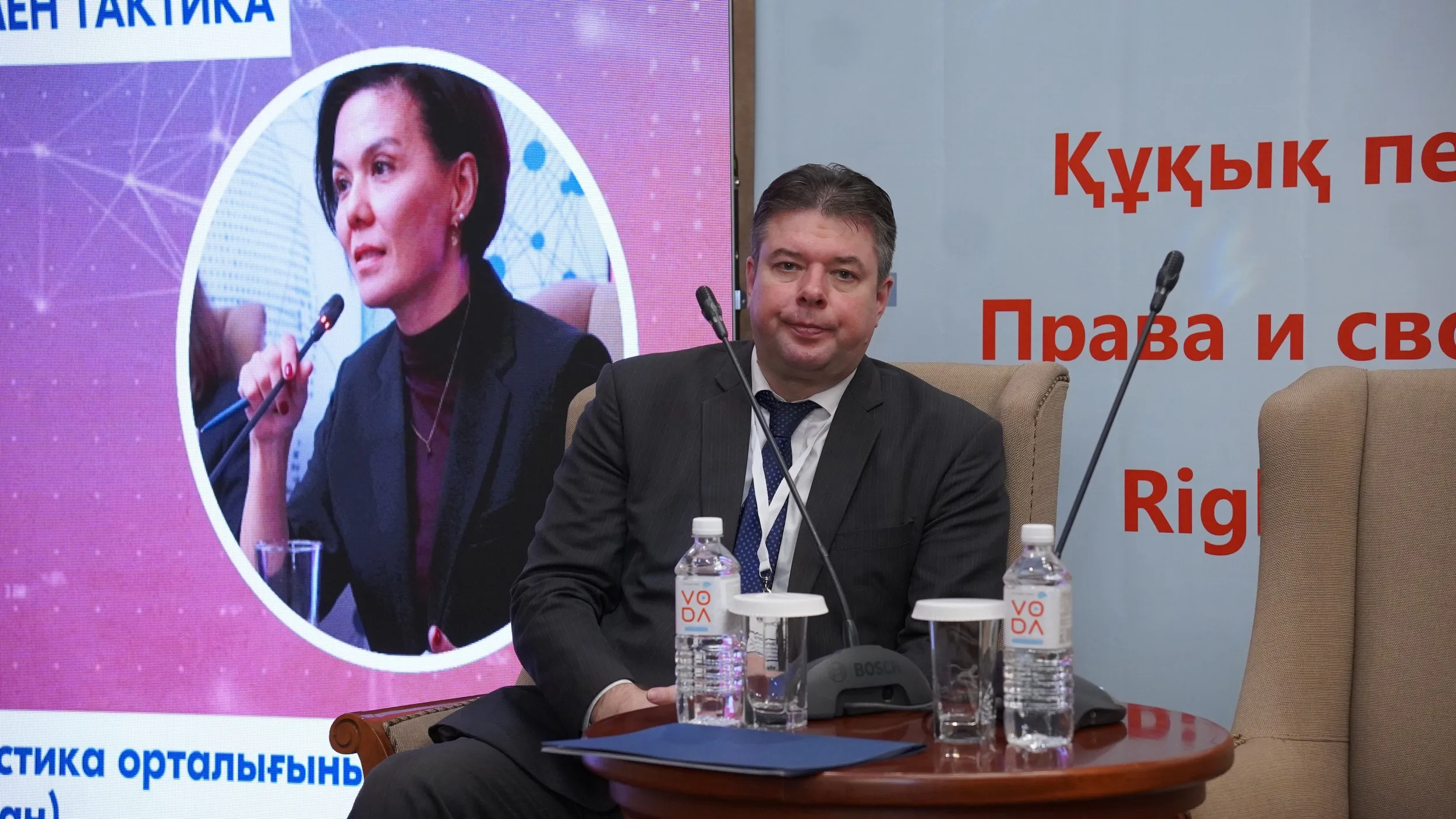
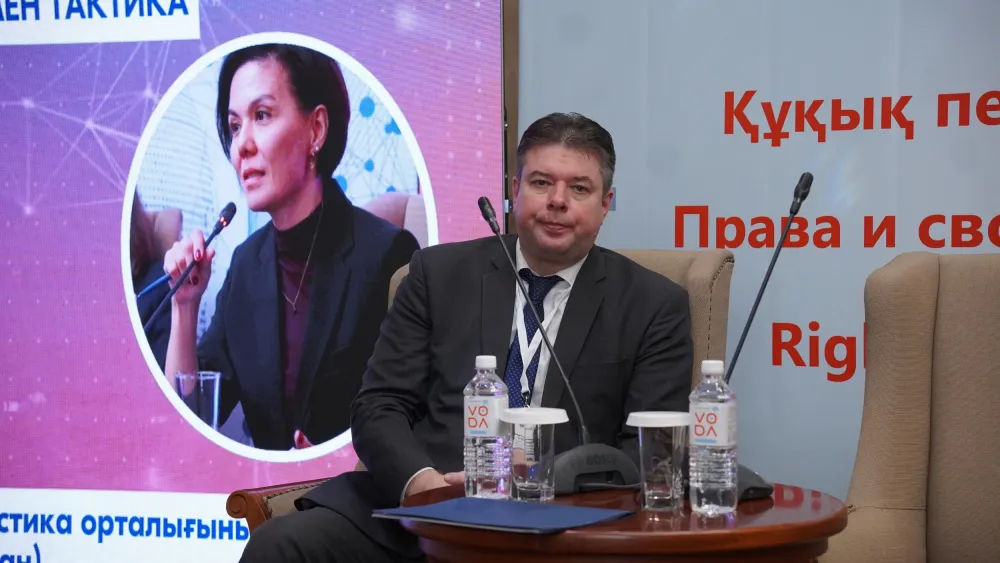
Mikhail Komissarov, Director of the Center for Analysis and Information at Kazakhstan’s Ministry of Culture and Information, explained that the new rules for centralized management of telecommunications networks do not change the legal grounds for blocking internet resources.
According to Komissarov, the changes primarily involve a technical expansion of the existing system.
He also expressed support for proposed restrictions on social media registration for children under the age of 16, referring to international practices aimed at protecting minors.
However, representatives of human rights organizations warned about the potential risks of such measures.
Anastasia Zhirmont of Access Now noted that mandatory age verification could effectively undermine anonymity online.
To verify users’ ages, platforms might require identity documents, digital identifiers, or biometric data.
According to Zhirmont, these requirements could increase the risk of personal data breaches, the misuse of other people’s identity documents, and attempts to circumvent restrictions through VPN services.
The collection of minors’ biometric data raises particularly serious concerns.
Similar risks could arise from the proposed amendments requiring bloggers with more than 5,000 followers to undergo registration in Kazakhstan.
The expert called for greater emphasis on digital literacy, personal data protection, and accountability of online platforms rather than relying primarily on restrictive measures.
New Amendments: Protecting Users or Imposing Further Restrictions on the Media?
Legislative initiatives directly affecting journalists also prompted debate at the forum.
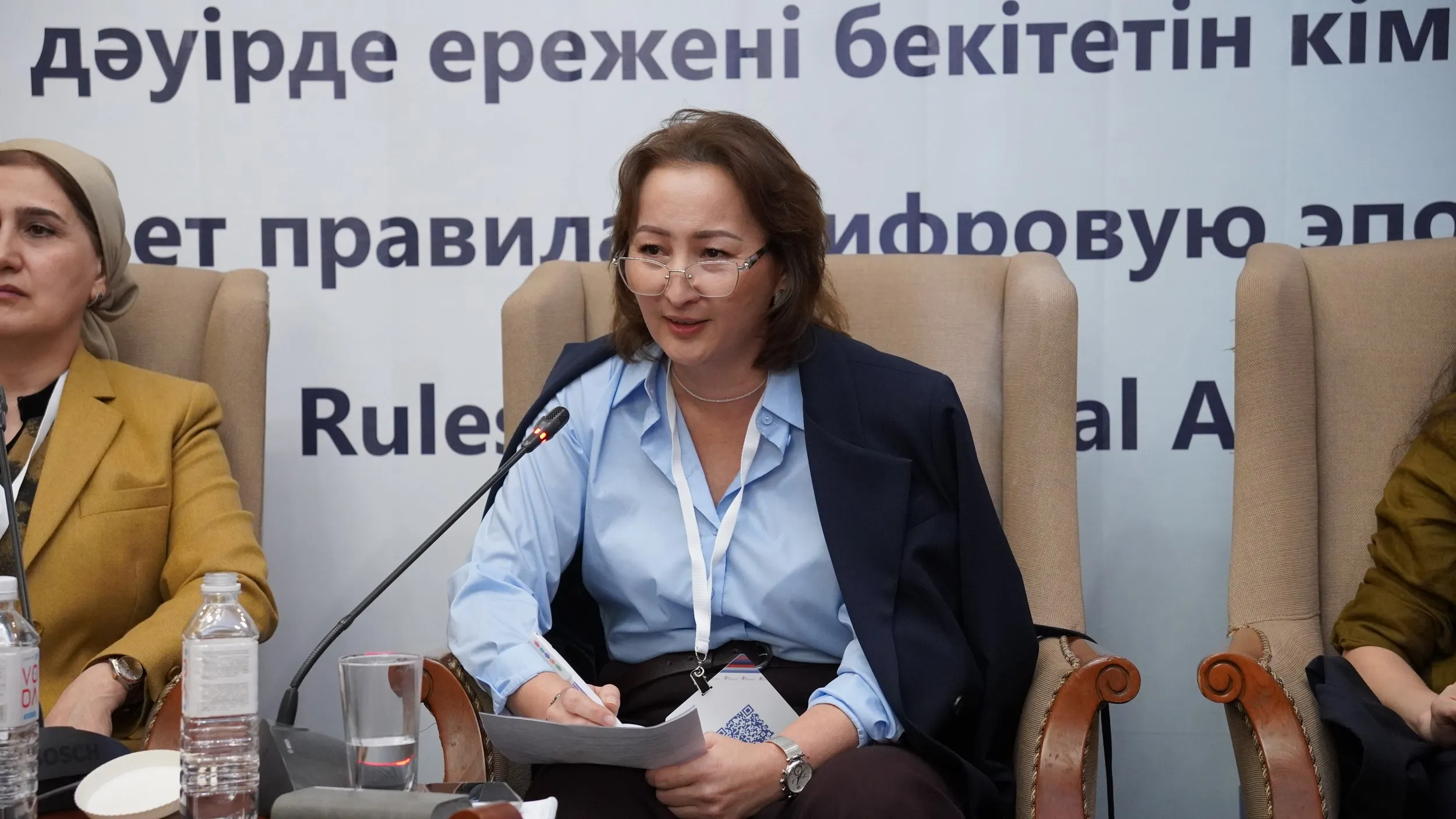
Media lawyer Gulmira Birzhanova, representing Media Qoldau and the Legal Media Center, criticized several proposed amendments to Kazakhstan’s mass media legislation.
In particular, she opposed mandatory labelling of official responses from government agencies and new provisions governing the use of individuals’ images without their consent.
According to Birzhanova, existing rules on the use of personal images already take into account the specific nature of journalistic work. Additional restrictions could make it more difficult to publish information of public interest.
She also noted that the proposed amendments primarily introduce new obligations and restrictions for newsrooms without providing additional safeguards for their professional activities.
Account Suspensions: Why Are Journalists Left to Seek Help on Their Own?
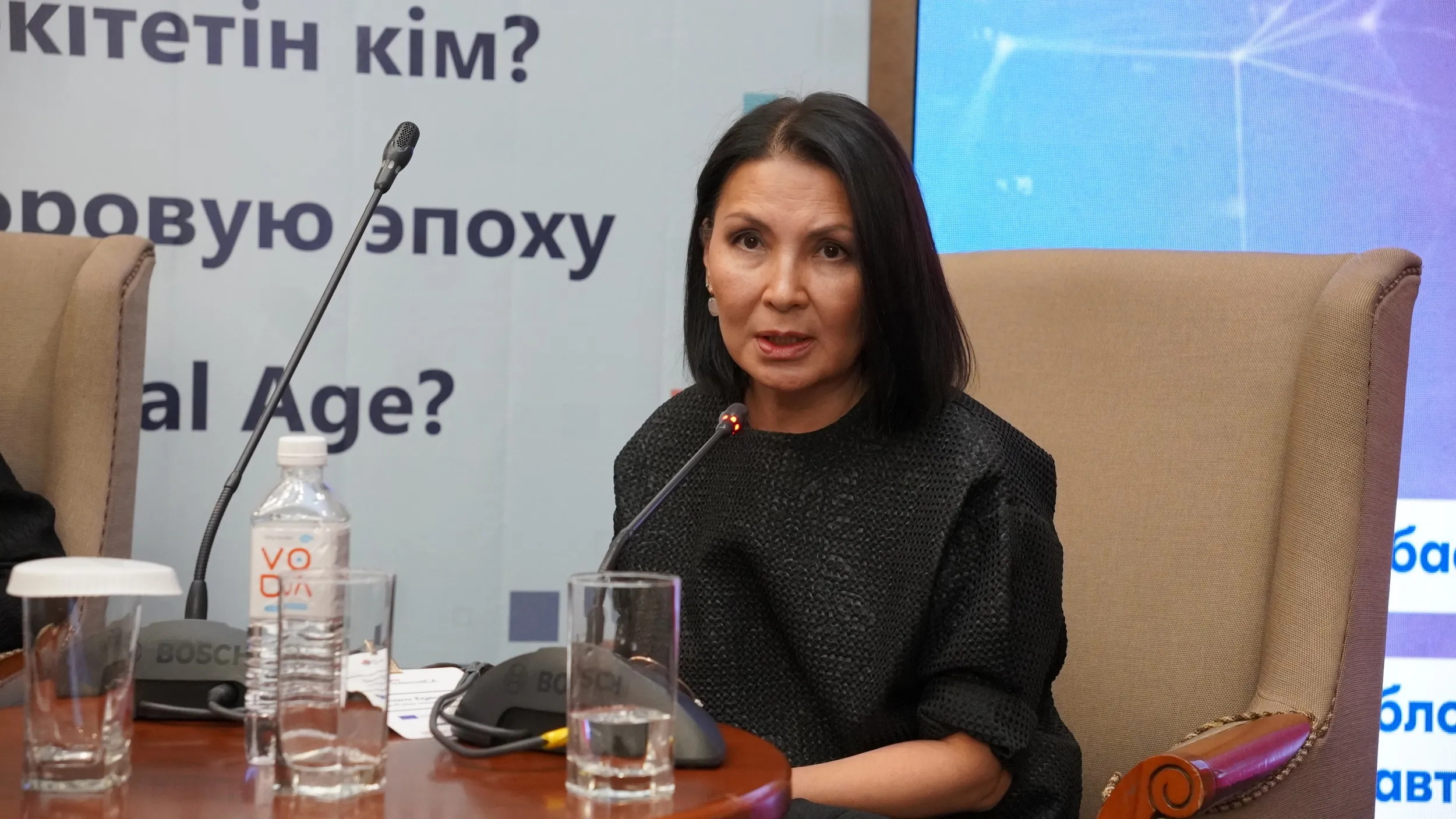
Nazira Darimbet raised concerns about the Ministry of Culture and Information’s cooperation with international online platforms.
According to ministry figures cited by Darimbet, social media platforms remove up to 70% of the content flagged by the ministry.
However, she argued that existing mechanisms for cooperation with online platforms are used mainly to remove information rather than to protect journalists from unjustified account suspensions.
During the discussion, Darimbet asked a ministry representative whether the government agency had ever contacted online platforms to request the restoration of journalists’ blocked accounts.
The ministry representative did not directly answer the question, explaining only that most communication with platforms takes place through specialized systems that allow authorities to submit complaints about unlawful content.
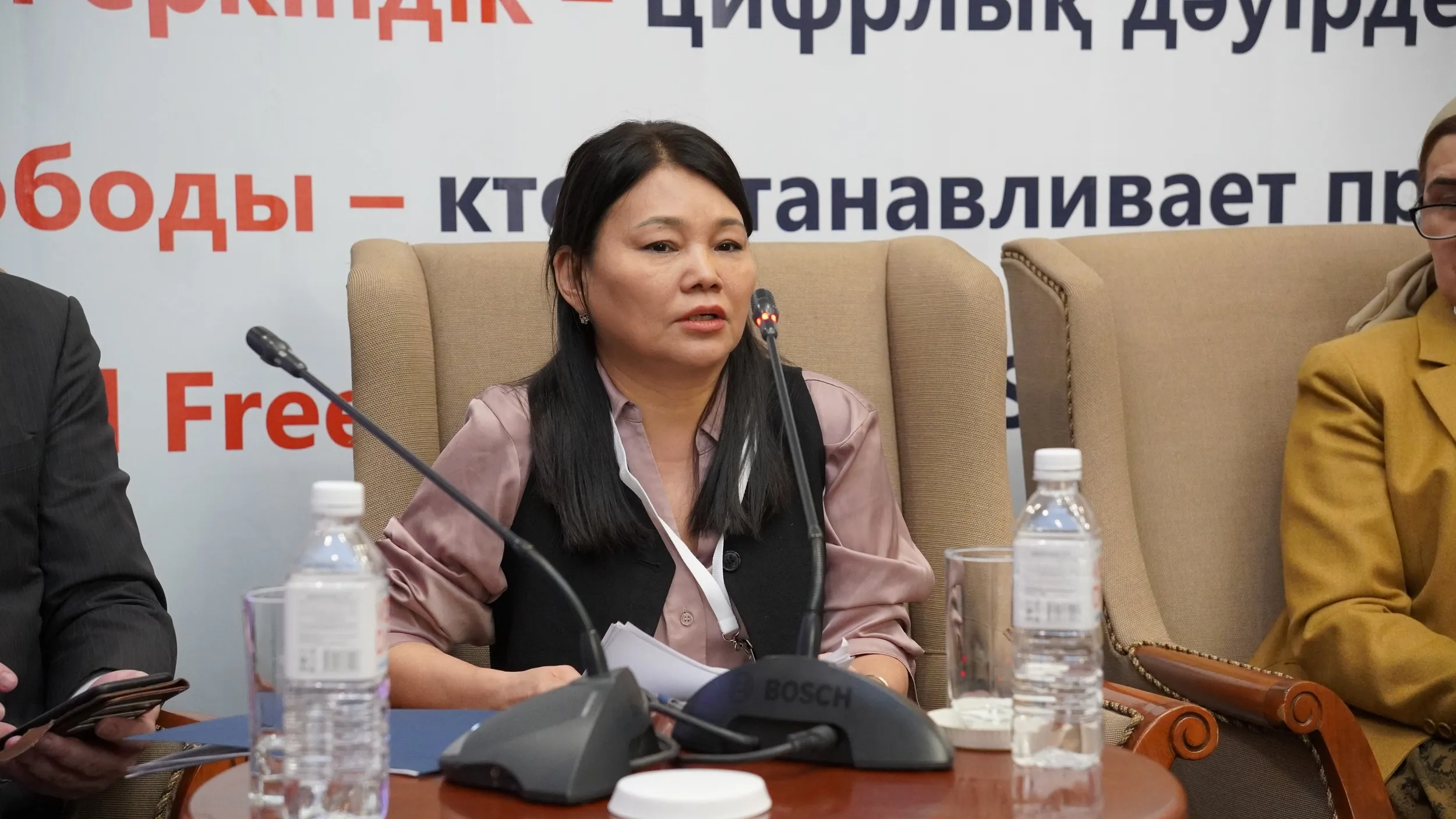
A separate panel at the forum focused on digital violence targeting women journalists and activists in Central Asia.
Journalist Dinara Yegeubayeva, creator of the Dinarion YouTube channel, described digital attacks that she said have continued for four years.
According to Yegeubayeva, unidentified individuals have created fake accounts impersonating her, circulated false information, organized mass reporting campaigns against her social media pages, and used artificial intelligence to discredit her.
She also reported incidents in which people received calls supposedly made on her behalf. The callers used an AI-generated voice imitating the journalist and either solicited donations or offered men paid meetings.
Yegeubayeva has also faced attempts to have her YouTube channel removed through complaints alleging violations of the platform’s rules.
According to the journalist, one of the individuals submitting complaints contacted her and admitted that he had been instructed to get her channel taken down. He reportedly received $350 for each complaint.
Yegeubayeva shared this information with colleagues investigating such attacks.
She emphasized that many of the attacks have a sexualized nature. Images featuring her face, allegedly generated using artificial intelligence, have also been circulated online.
Such attacks are aimed not only at blocking journalists’ online resources but also at damaging their reputations, intimidating them, and undermining public trust in their work.
What Challenges Do Journalists Across Central Asia Face?
Forum participants noted that digital threats and restrictions on freedom of expression affect the entire region.
In Tajikistan, gender and media expert Niso Rasulova described a two-year legal battle against individuals who had posted false claims about her private life in online comments. She ultimately won the case.
Dina Maslova, a representative of the Kyrgyzstani news outlet Kaktus.media, shared the newsroom’s experience of having its social media accounts blocked following mass complaints alleging copyright infringement.
The outlet’s Russian-language Instagram account remained inaccessible for three weeks, while its Kyrgyz-language page was blocked for two months.
Ilkhom Khamidov, a media lawyer from Uzbekistan, discussed a draft law regulating the right to one’s image, which has been under consideration in the Senate for more than a year.
He also highlighted legislative restrictions on making decisions affecting human rights solely through artificial intelligence.
These examples demonstrate that journalists across Central Asia face both legal restrictions and digital attacks, with consequences extending beyond their professional activities to their personal safety.
For the Adil Soz Foundation, a key priority remains ensuring effective safeguards for journalists’ professional activities, including protection against unjustified account suspensions, legal pressure, and restrictions on access to information.